KPV 10mg: Targeted Anti-Inflammatory Tripeptide Complex
Metadata & SEO Information
-
Focus Keyphrase / Main Keyword: KPV 10mg
-
Meta Title: Buy KPV 10mg Peptide | Riptide Labs High Purity Research
-
Meta Description: Order high-purity KPV 10mg peptide from Riptide Labs. Investigate targeted anti-inflammatory signaling and cellular protection. Fast shipping available today.
-
URL Slug: kpv-10mg
-
Product Tags: KPV 10mg, Riptide Labs, KPV peptide, alpha-MSH derivative, anti-inflammatory peptide, mucosal healing, cellular research, 10mg peptide vial
Product Description
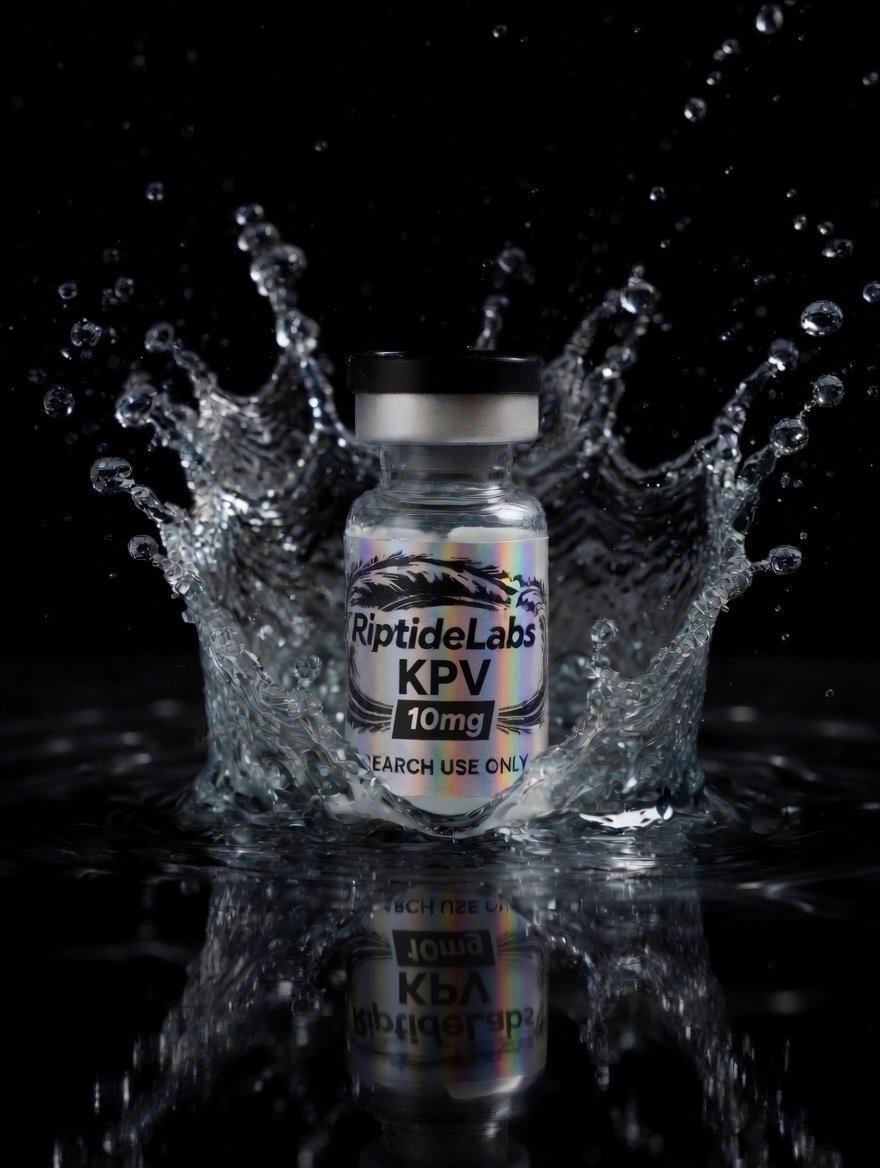
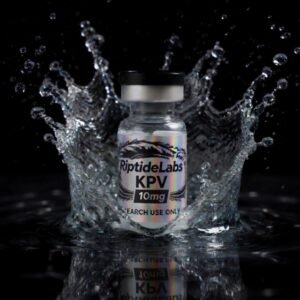
Advance your inflammatory modulation and tissue recovery protocols with the premium KPV 10mg research peptide from Riptide Labs. Lysine-Proline-Valine represents a short, bioavailable tripeptide derived naturally from the C-terminal sequence of alpha-melanocyte-stimulating hormone. Scientific researchers frequently select KPV 10mg for specialized laboratory evaluations because it provides potent, targeted anti-inflammatory signaling without triggering cutaneous pigmentation pathways. Riptide Labs subjects every production lot to comprehensive analytical testing, which guarantees exceptional chemical stability, precise amino acid sequencing, and maximum purity for your research setting.
The KPV 10mg tripeptide complex delivers notable biochemical advantages across diverse experimental models. This active fragment acts as a primary signaling molecule that interacts directly with cellular membrane targets to suppress pro-inflammatory signaling. It actively downregulates the production of inflammatory cytokines and inflammatory enzymes within epithelial and immune cells. Consequently, researchers routinely deploy this compound to examine gut barrier integrity, intestinal mucosal healing, and inflammatory bowel pathways. Furthermore, the tripeptide exhibits broad-spectrum antimicrobial properties, which help neutralize opportunistic bacterial and fungal pathogens in cellular culture environments. Sourcing your materials from Riptide Labs ensures that you receive a standardized compound that yields reliable, reproducible outcome data.
Understanding the intracellular mechanisms of action helps researchers maximize the utility of KPV 10mg in ongoing laboratory protocols. The tripeptide structure allows the molecule to translocate into target cells and enter the nucleus rapidly. Once inside, it interacts directly with nuclear factor-kappa B pathways, thereby suppressing master pro-inflammatory transcription factors at the genomic level. Because the compound blocks nuclear translocation of these signaling factors, target cells avoid damaging hyper-inflammatory responses during induced stress conditions. Consequently, research models exhibit sustained cellular viability, reduced mucosal inflammation, and accelerated structural recovery without secondary endocrine disruption.
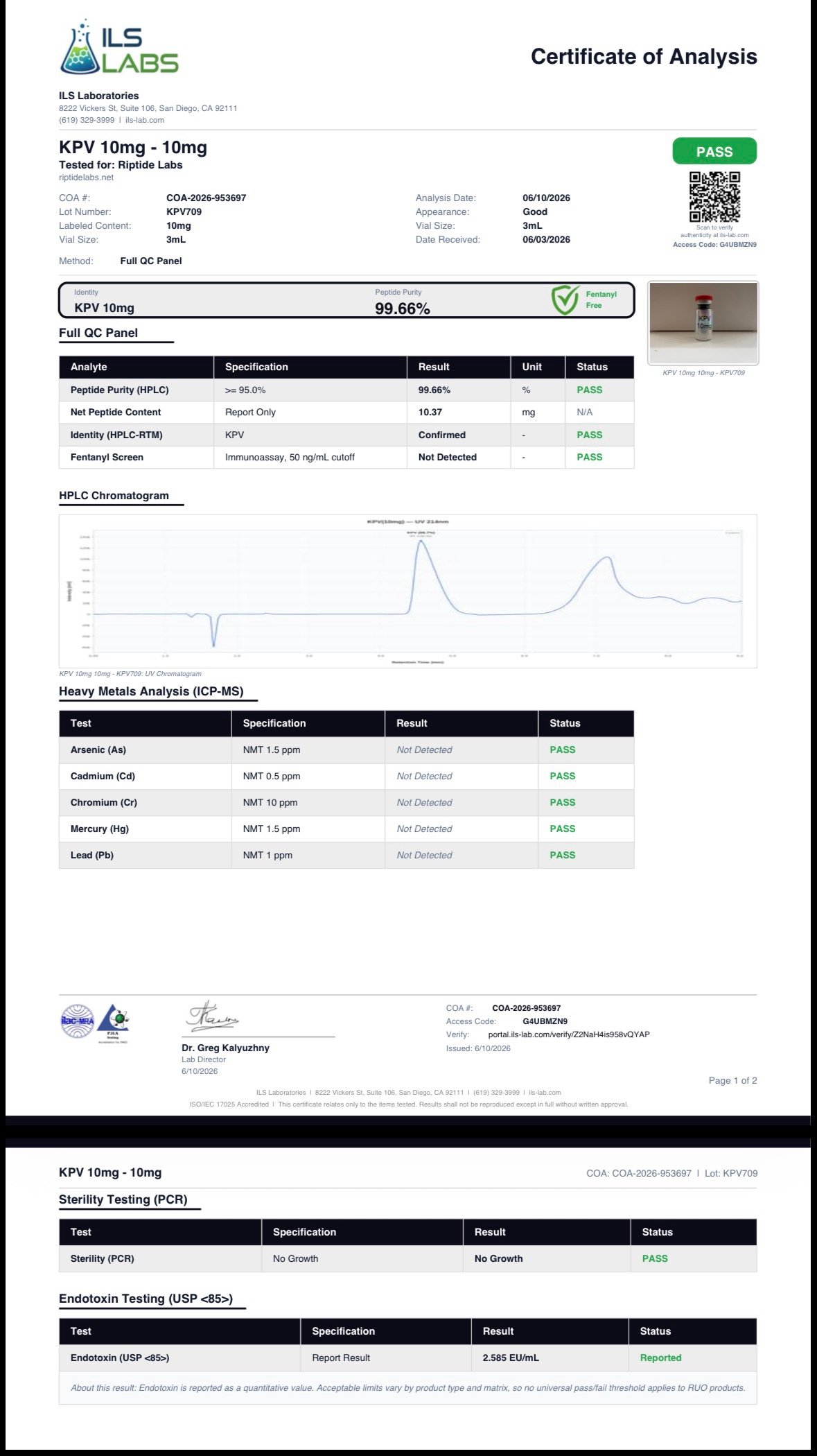
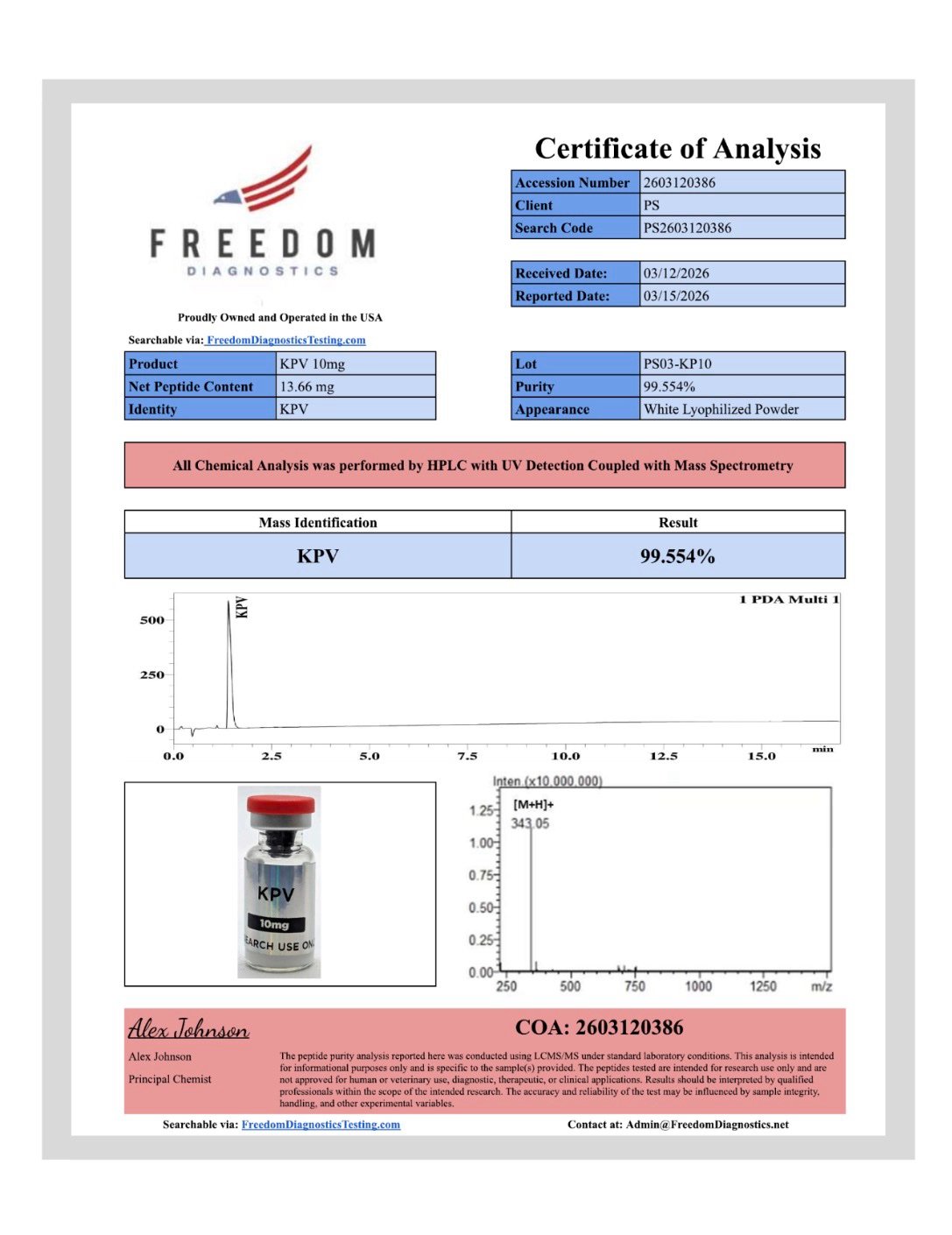
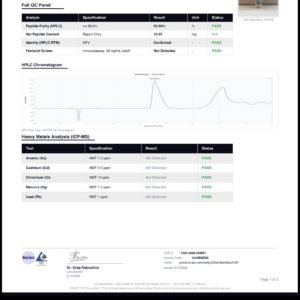
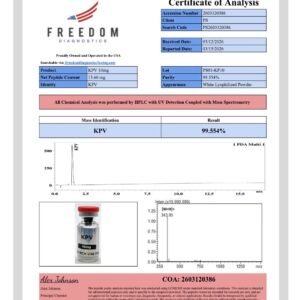
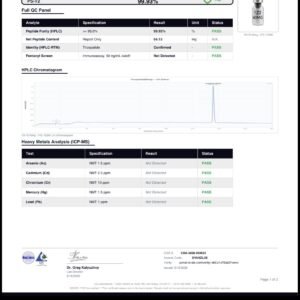
Riptide Labs manufactures every peptide batch under rigorous analytical standards to ensure top-tier scientific reliability. Each vial contains pure synthetic Lysine-Proline-Valine tripeptide material provided in a sterile, freeze-dried powder form. High-Performance Liquid Chromatography (HPLC) and Mass Spectrometry testing confirm a purity grade equal to or exceeding 98.0%. The physical material presents as a uniform white cake that reconstitutes easily in standard aqueous diluents, such as Bacteriostatic Water or Sterile Normal Saline. To preserve long-term bioactivity and prevent structural degradation, store un-reconstituted vials between 2°C and 8°C while keeping the container fully protected from direct light exposure.
Proper preparation techniques ensure that your KPV 10mg material retains maximum potency throughout active testing cycles. Store dry vials in cold storage prior to reconstitution. When you are ready to prepare your working solution, introduce your chosen diluent slowly down the inner glass wall of the vial. Do not spray liquid directly onto the freeze-dried cake. Gently swirl the glass container using smooth circular movements until the solid mass dissolves completely into a clear fluid. Avoid shaking the vial vigorously, because aggressive physical agitation can destabilize delicate peptide bonds. Following reconstitution, refrigerate the fluid mixture and execute your planned evaluations within your designated experimental schedule.
This research compound from Riptide Labs is manufactured strictly for laboratory, scientific, and chemical testing purposes. It is explicitly not cleared or intended for human consumption, cosmetic application, animal administration, diagnostic procedures, or therapeutic use. Authorized research technicians must handle all materials in compliance with standard biosafety guidelines and appropriate personal protective equipment protocols.
4 reviews for KPV 10mg
Add a review
Related products
Peptides
Peptides
Peptides
Peptides
Peptides
Peptides
Peptides
Peptides
James –
We utilize KPV 10mg to evaluate NF-κB nuclear translocation and cytokine suppression in intestinal epithelial cultures. The C-terminal α-MSH fragment provided by Riptide demonstrated potent anti-inflammatory modulation without any unwanted pigmentary signaling overlap. Internal HPLC testing confirmed purity well above the 98.0% threshold, and reconstitution in sterile normal saline was instant.
Markus –
Sourcing short tripeptides that maintain high stability and nuclear penetration can be difficult. Riptide’s KPV 10mg delivered exceptional performance in our gut barrier integrity assays. The lyophilized cake arrived intact under a tight vacuum seal, and the pre-calibrated 10mg quantity simplified unit preparation across our research team.
Madeson v –
Our laboratory investigates pro-inflammatory enzyme downregulation in epithelial cell models. The Lysine-Proline-Valine sequence showed rapid intracellular translocation and strong broad-spectrum antimicrobial activity in culture. The batch-to-batch consistency matches Riptide’s provided mass spectrometry records perfectly.
Maxzine –
Product quality and handling parameters are top-tier. The freeze-dried powder dissolved cleanly down the inner glass wall into a crystal-clear solution without foaming. Giving 4 stars only because shipment tracking took an extra 24 hours to update during transit, but the cold-pack insulation kept the compound well-refrigerated upon receipt.