

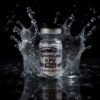
MOTS-C: Mitochondrial-Derived Peptide Complex
MOTS-C Peptide Description
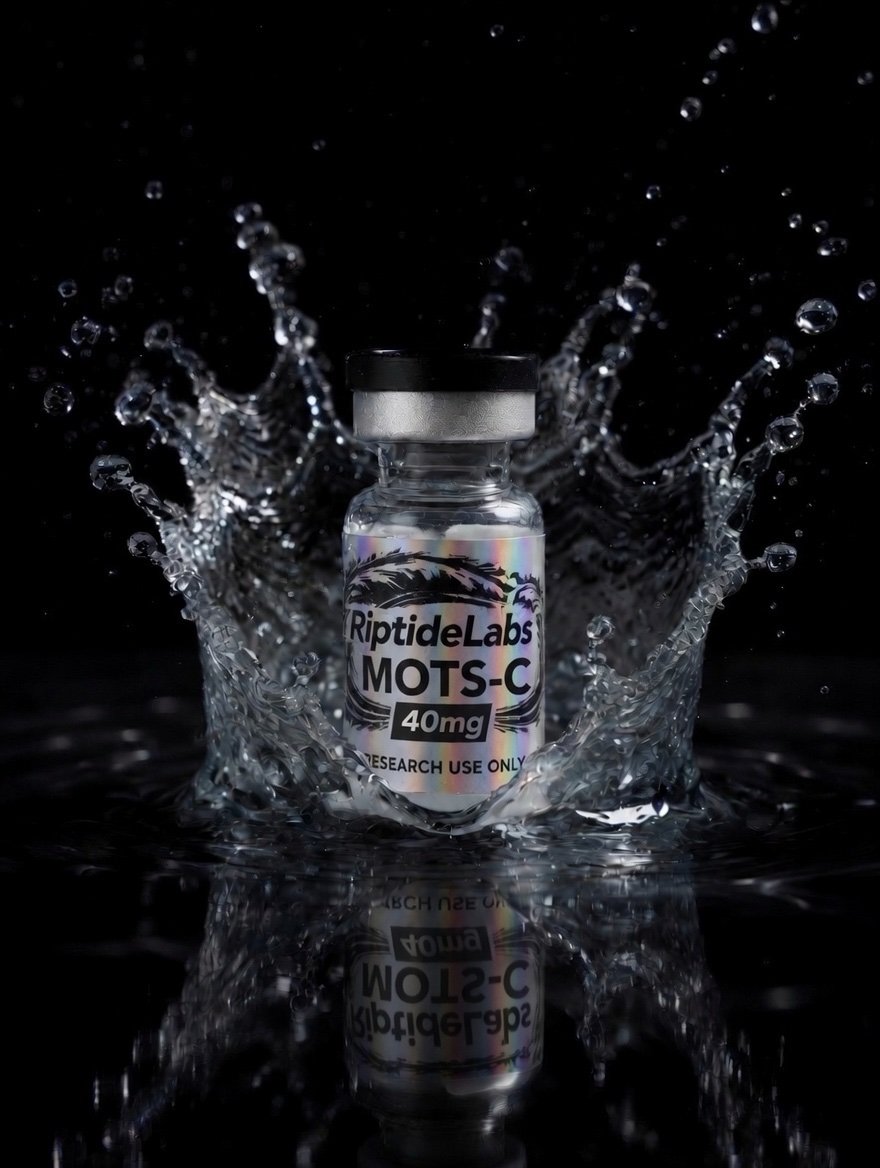
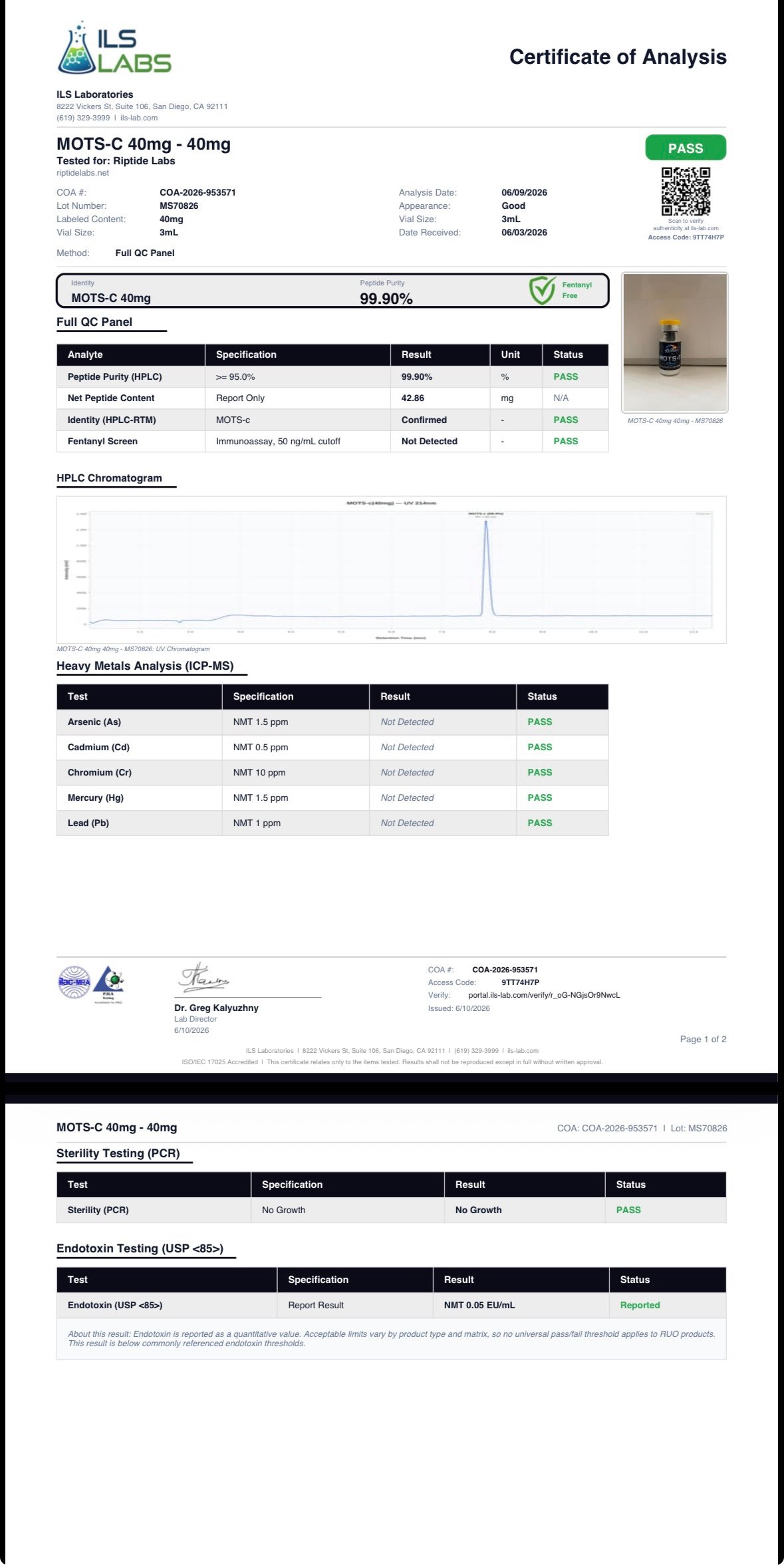
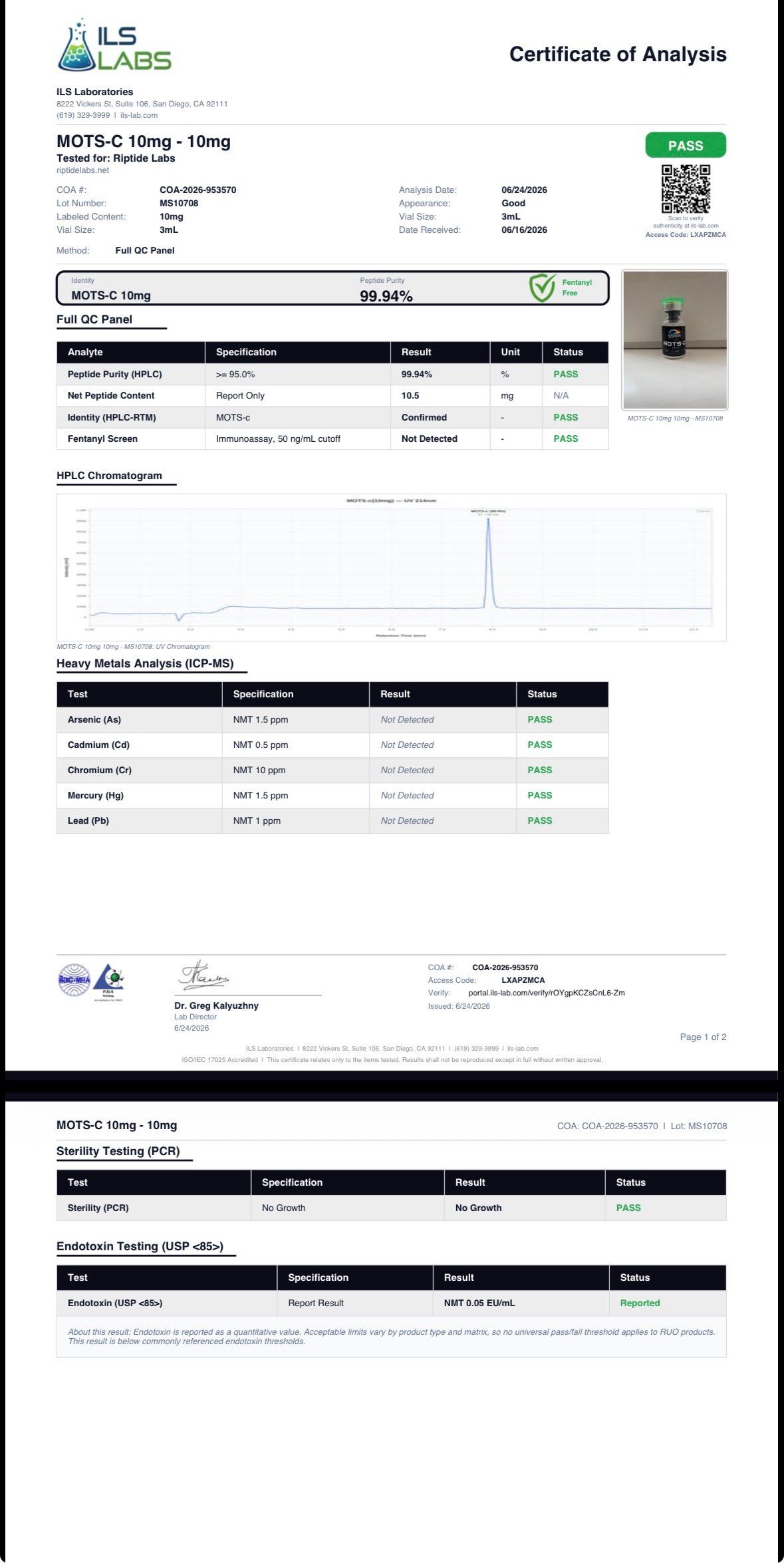
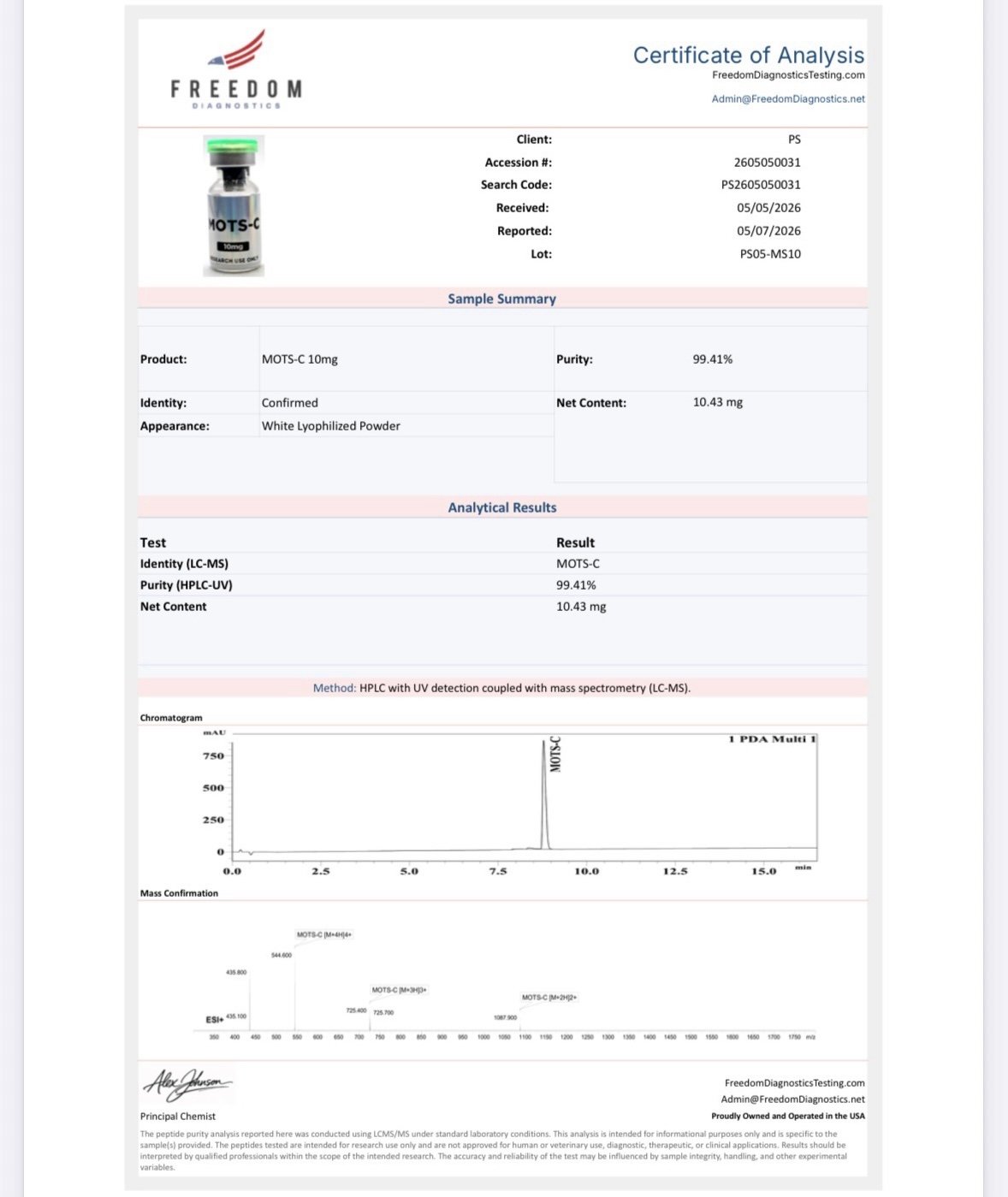
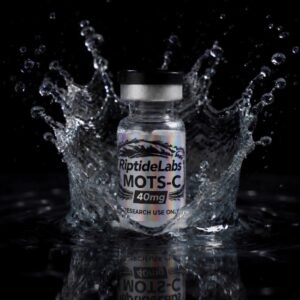
Advance your metabolic homeostasis and cellular energy protocols with the premium MOTS-C research peptide from Riptide Labs. Mitochondrial Open Reading Frame of the 12S rRNA Type-c represents a unique, naturally occurring peptide encoded directly within the mitochondrial genome rather than the cell nucleus. Scientific researchers frequently select MOTS-C for specialized laboratory evaluations because it serves as a master retrograde signaling molecule that communicates mitochondrial metabolic status directly to the nuclear genome. Riptide Labs subjects every production lot to comprehensive analytical testing, which guarantees exceptional chemical stability, precise amino acid sequencing, and maximum purity for your research setting.
The MOTS-C mitochondrial peptide delivers remarkable physiological advantages across diverse cellular and metabolic models. This compound acts primarily as an endocrine-like signaling factor that targets skeletal muscle, hepatic tissue, and systemic cellular metabolic pathways. It actively regulates folate cycle dynamics and purine biosynthesis, which triggers the downstream activation of AMP-activated protein kinase. Consequently, researchers routinely deploy this peptide to examine metabolic flexibility, glucose clearance, fatty acid oxidation, and systemic insulin sensitivity. Furthermore, the molecule demonstrates impressive potential in cellular longevity models, helping maintain metabolic equilibrium during stress and age-related decline. Sourcing your materials from Riptide Labs ensures that you receive a standardized compound that yields reliable, reproducible outcome data.
Understanding the nuclear translocation mechanism helps researchers maximize the utility of MOTS-C in ongoing laboratory protocols. Under conditions of metabolic or oxidative stress, this peptide translocates rapidly from the cytoplasm into the cell nucleus. Once inside the nuclear environment, it binds directly to specific promoter elements and interacts with transcription factors to regulate gene expression. Because the molecule coordinates nuclear gene transcription with mitochondrial energy capacity, target cells rapidly adapt to metabolic shifts and nutrient availability. Consequently, research models exhibit sustained cellular viability, enhanced mitochondrial biogenesis, and optimized energy expenditure without disrupting basal physiological parameters.
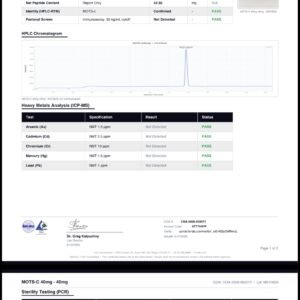
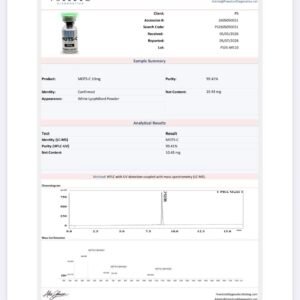
Riptide Labs manufactures every peptide batch under rigorous analytical standards to ensure top-tier scientific reliability. Each vial contains pure synthetic 16-amino-acid peptide material provided in a sterile, freeze-dried powder form. High-Performance Liquid Chromatography (HPLC) and Mass Spectrometry testing confirm a purity grade equal to or exceeding 98.0%. The physical material presents as a uniform white cake that reconstitutes easily in standard aqueous diluents, such as Bacteriostatic Water or Sterile Normal Saline. To preserve long-term bioactivity and prevent structural degradation, store un-reconstituted vials between 2°C and 8°C while keeping the container fully protected from direct light exposure.
Proper preparation techniques ensure that your MOTS-C material retains maximum potency throughout active testing cycles. Store dry vials in cold storage prior to reconstitution. When you are ready to prepare your working solution, introduce your chosen diluent slowly down the inner glass wall of the vial. Do not spray liquid directly onto the freeze-dried cake. Gently swirl the glass container using smooth circular movements until the solid mass dissolves completely into a clear fluid. Avoid shaking the vial vigorously, because aggressive physical agitation can shear fragile peptide structures. Following reconstitution, refrigerate the fluid mixture and execute your planned evaluations within your designated experimental schedule.
This research compound from Riptide Labs is manufactured strictly for laboratory, scientific, and chemical testing purposes. It is explicitly not cleared or intended for human consumption, cosmetic application, animal administration, diagnostic procedures, or therapeutic use. Authorized research technicians must handle all materials in compliance with standard biosafety guidelines and appropriate personal protective equipment protocols.
| Quantity | 10mg, 40mg |
|---|
4 reviews for MOTS-C
Add a review
Related products
Peptides

Peptides

Peptides
Peptides

Peptides

Peptides
Peptides
Peptides
Williams –
We evaluate retrograde mitochondrial-to-nuclear signaling using MOTS-C in skeletal muscle cell cultures. The 16-amino-acid peptide from Riptide demonstrated exceptional bioactivity, driving rapid nuclear translocation and downstream AMPK activation under metabolic stress. Reconstitution with sterile saline was instant, and our internal HPLC confirmed purity above the 98.0% threshold.
Bearry susan –
Our research focuses on folate cycle modulation and purine biosynthesis in metabolic adaptability models. Sourcing stable mitochondrial-derived peptides with consistent sequencing is critical. Riptide Labs provided complete mass spectrometry validation matching our independent checks, and the 40mg vial option offers an excellent cost-to-volume ratio for extended longitudinal trials.
Savvy –
Solid product quality and pristine packaging. The freeze-dried white cake reconstituted cleanly down the inner vial wall following the provided handling protocol. Giving 4 stars only because stock for the 40mg bulk option was temporarily backordered, but the performance in our energy-sensing network assays was well worth the slight wait.
Monic –
MOTS-C is a fantastic tool for analyzing nuclear transcription coordination with mitochondrial capacity. Following reconstitution and proper refrigeration at 2–8°C, the working solution retained full potency throughout our planned experimental windows. Riptide Labs remains a top choice for high-purity metabolic reagents.