
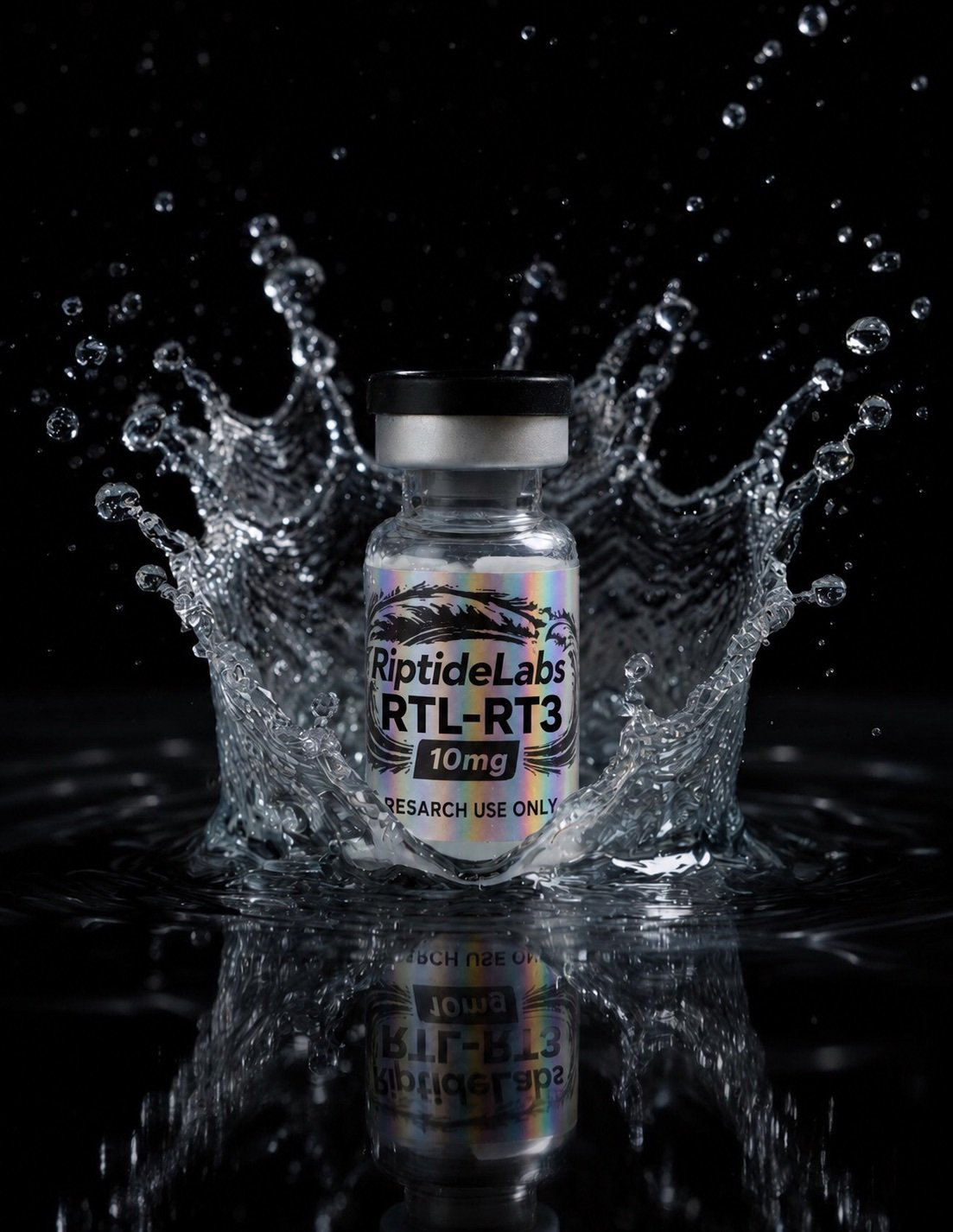
RTL-RT3: High-Purity Retatrutide Triple GIP/GLP-1/Glucagon Receptor Agonist
RTL-RT3 Peptide Description
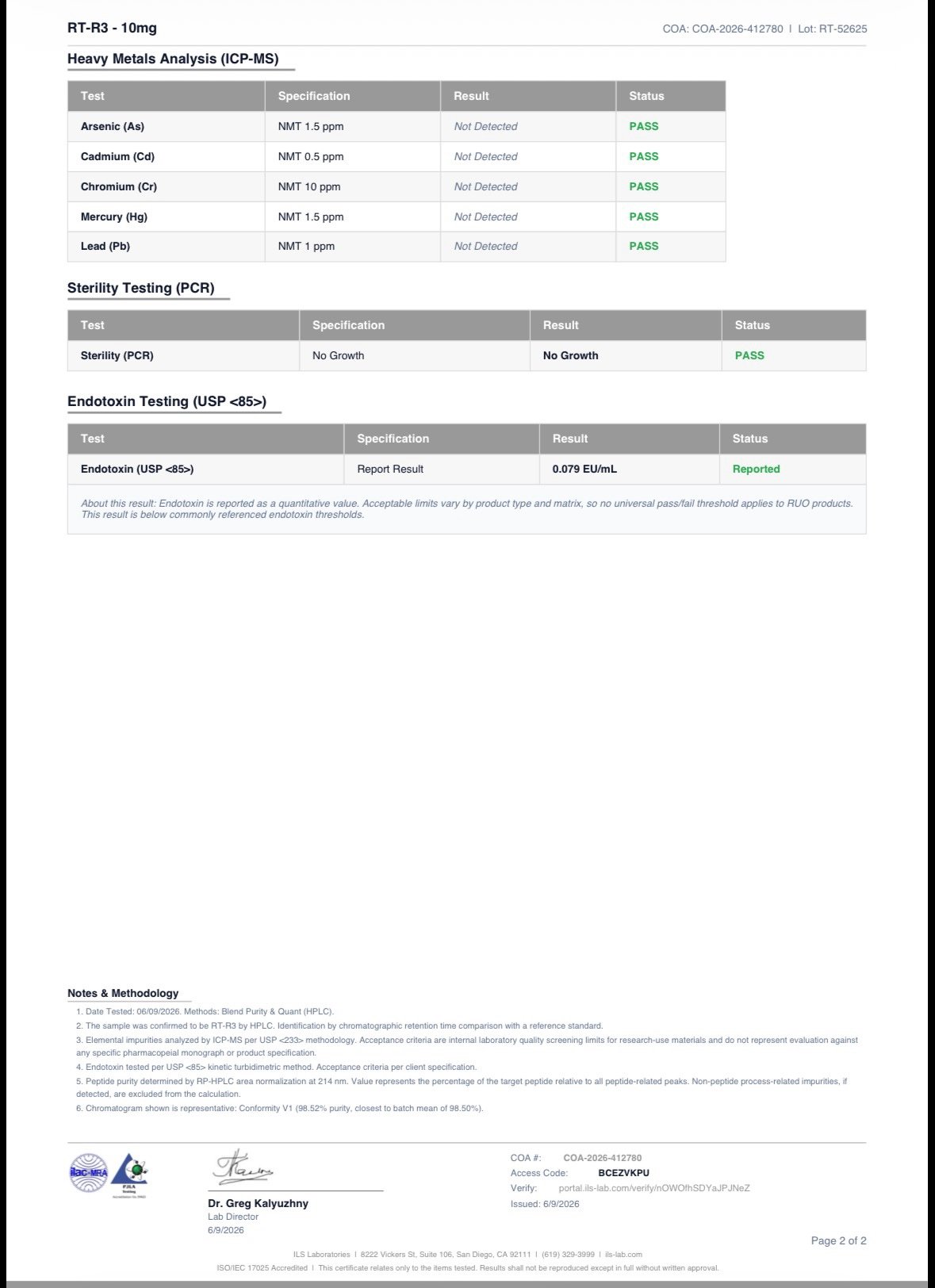
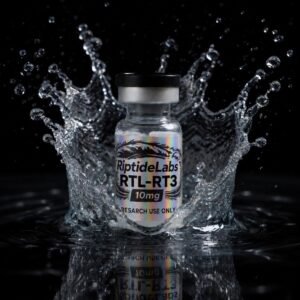
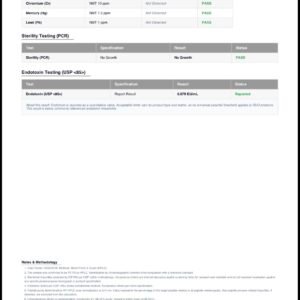
Advance your metabolic signaling and endocrine receptor protocols with the premium RTL-RT3 research peptide from Riptide Labs. Retatrutide represents a novel synthetic peptide engineered specifically to act as a potent triple agonist at glucose-dependent insulinotropic polypeptide, glucagon-like peptide-1, and glucagon receptors. Scientific researchers frequently select this multi-target compound for specialized laboratory evaluations because its single-molecule architecture simultaneously engages three distinct pathways governing energy expenditure and nutrient metabolism. Riptide Labs subjects every production lot to comprehensive analytical testing. Consequently, this process guarantees exceptional chemical stability, precise amino acid sequencing, and maximum purity for your research setting.
The retatrutide complex delivers remarkable biochemical versatility across diverse cellular and metabolic models. This acylated peptide acts directly to stimulate insulin secretion, delay gastric emptying, and promote potent satiety signaling through GIP and GLP-1 receptor activation. Simultaneously, its glucagon receptor agonist activity enhances thermogenesis, lipid oxidation, and hepatic energy expenditure. Researchers routinely deploy this compound to examine synergistic metabolic regulation, lipid clearance, and systemic insulin sensitivity networks. In addition, structural modifications prevent rapid enzymatic cleavage by dipeptidyl peptidase-4, enabling consistent dosing accuracy during extended longitudinal studies. Sourcing your materials from Riptide Labs ensures that you receive a standardized compound that yields reliable, reproducible outcome data.
Understanding multi-receptor interactions helps researchers maximize the utility of retatrutide in ongoing laboratory protocols. The peptide backbone incorporates specific C18 fatty acid modifications that enable high-affinity binding to plasma albumin. Because this structural feature significantly extends the biological half-life, the molecule maintains prolonged receptor occupancy in biological systems. Once bound to target membrane receptors, the compound initiates robust intracellular cyclic adenosine monophosphate production across all three signaling cascades. Consequently, research models demonstrate sustained physiological responses, allowing precise mapping of multi-receptor crosstalk and downstream metabolic outcomes.
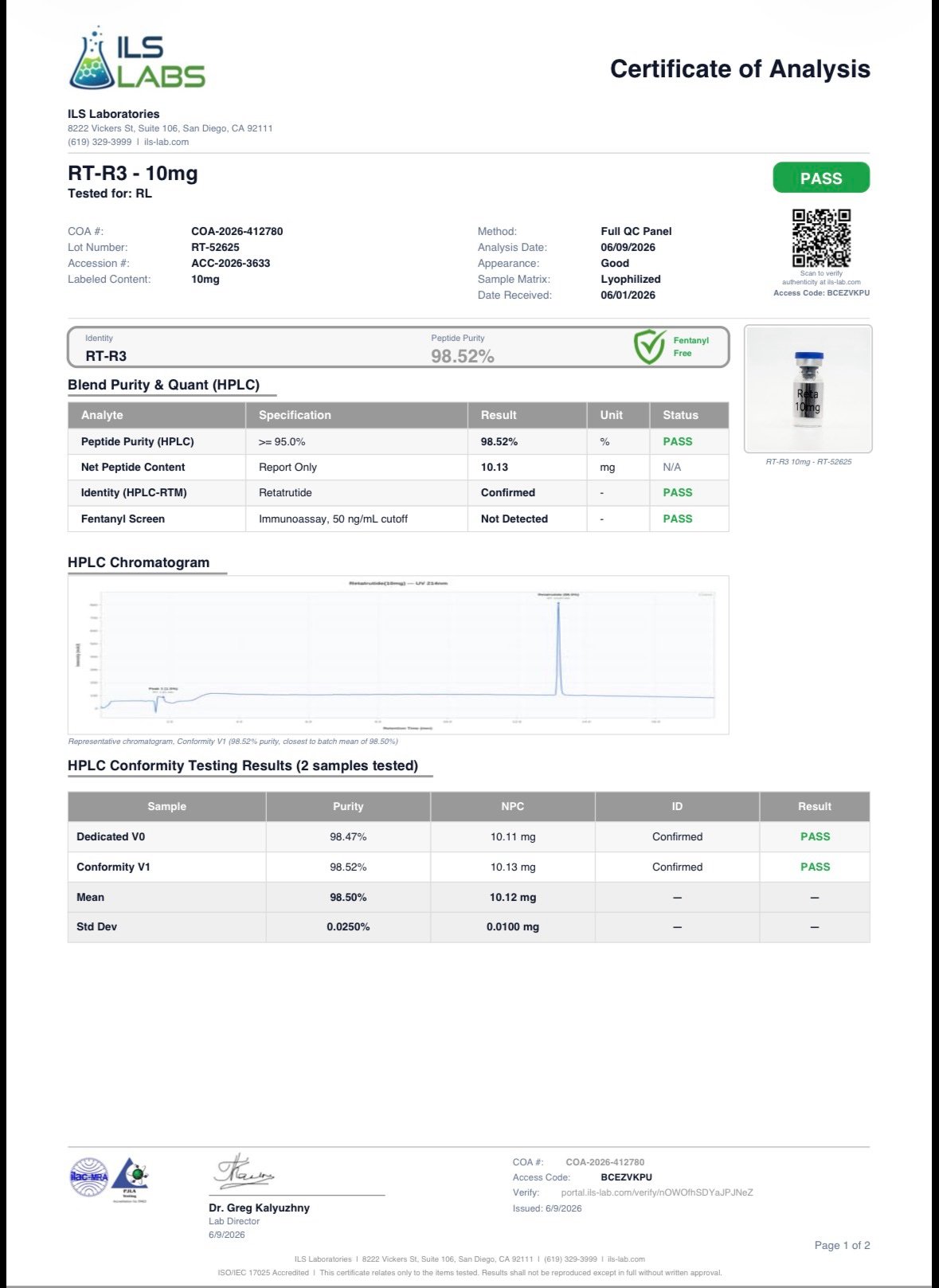
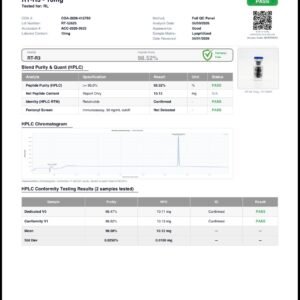
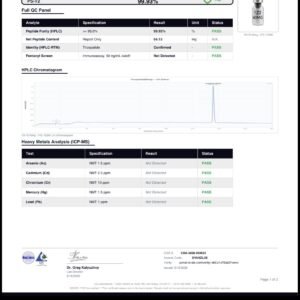
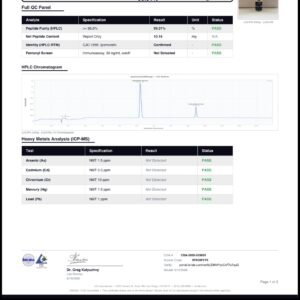
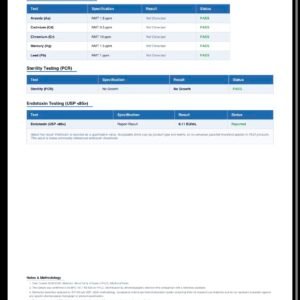
Riptide Labs manufactures every production batch under rigorous analytical standards to ensure top-tier scientific reliability. Each vial contains pure synthetic peptide material provided in a sterile, freeze-dried powder form. High-Performance Liquid Chromatography and Mass Spectrometry testing confirm a purity grade equal to or exceeding 98.0%. The physical material presents as a uniform white cake that reconstitutes easily in standard aqueous diluents, such as Bacteriostatic Water or Sterile Normal Saline. To preserve long-term bioactivity and prevent structural degradation, store un-reconstituted vials between 2°C and 8°C while keeping the container fully protected from direct light exposure.
Proper preparation techniques ensure that your research material retains maximum potency throughout active testing cycles. Store dry vials in cold storage prior to reconstitution. When you are ready to prepare your working solution, introduce your chosen diluent slowly down the inner glass wall of the vial. Do not spray liquid directly onto the freeze-dried cake. Gently swirl the glass container using smooth circular movements until the solid mass dissolves completely into a clear fluid. Avoid shaking the vial vigorously, because aggressive physical agitation can shear fragile peptide structures. Following reconstitution, refrigerate the fluid mixture and execute your planned evaluations within your designated experimental schedule.
This research compound from Riptide Labs is manufactured strictly for laboratory, scientific, and chemical testing purposes. It is explicitly not cleared or intended for human consumption, cosmetic application, animal administration, diagnostic procedures, or therapeutic use. Authorized research technicians must handle all materials in compliance with standard biosafety guidelines and appropriate personal protective equipment protocols.
| Quantity | 10mg, 20mg, 30mg, 60mg, 10mg KIT (10 VAILS) |
|---|
3 reviews for RTL-RT3
Add a review
Related products
Peptides
Peptides
Peptides
Peptides
Peptides
Peptides
Peptides
Peptides
Liam H –
We run extended kinetic assays assessing hepatic lipid clearance and thermogenic pathways. The acylated C18 fatty acid modification on Riptide’s retatrutide complex gives it sustained albumin-binding affinity and excellent resistance to DPP-4 enzymatic degradation. The lyophilized cake arrived intact, reconstituted seamlessly with sterile saline without shaking, and remained stable throughout our 14-day observation window.
Maya V –
Sourcing high-purity triple agonists for multi-receptor cross-talk studies can be challenging. Riptide Labs provided detailed MS/HPLC batch data that matched our independent testing. We observed precise, reproducible activation across GLP-1 and glucagon pathways without early signal attenuation. Solid batch-to-batch consistency.
Thomas D –
Packaging and vacuum preservation are top-tier. Cold-chain delivery maintained the dry compound below 5°C, ensuring zero moisture degradation upon arrival. Giving 4 stars only because high laboratory demand caused a brief delay in stock replenishment, but the physical quality and ease of reconstitution are well worth the wait.