
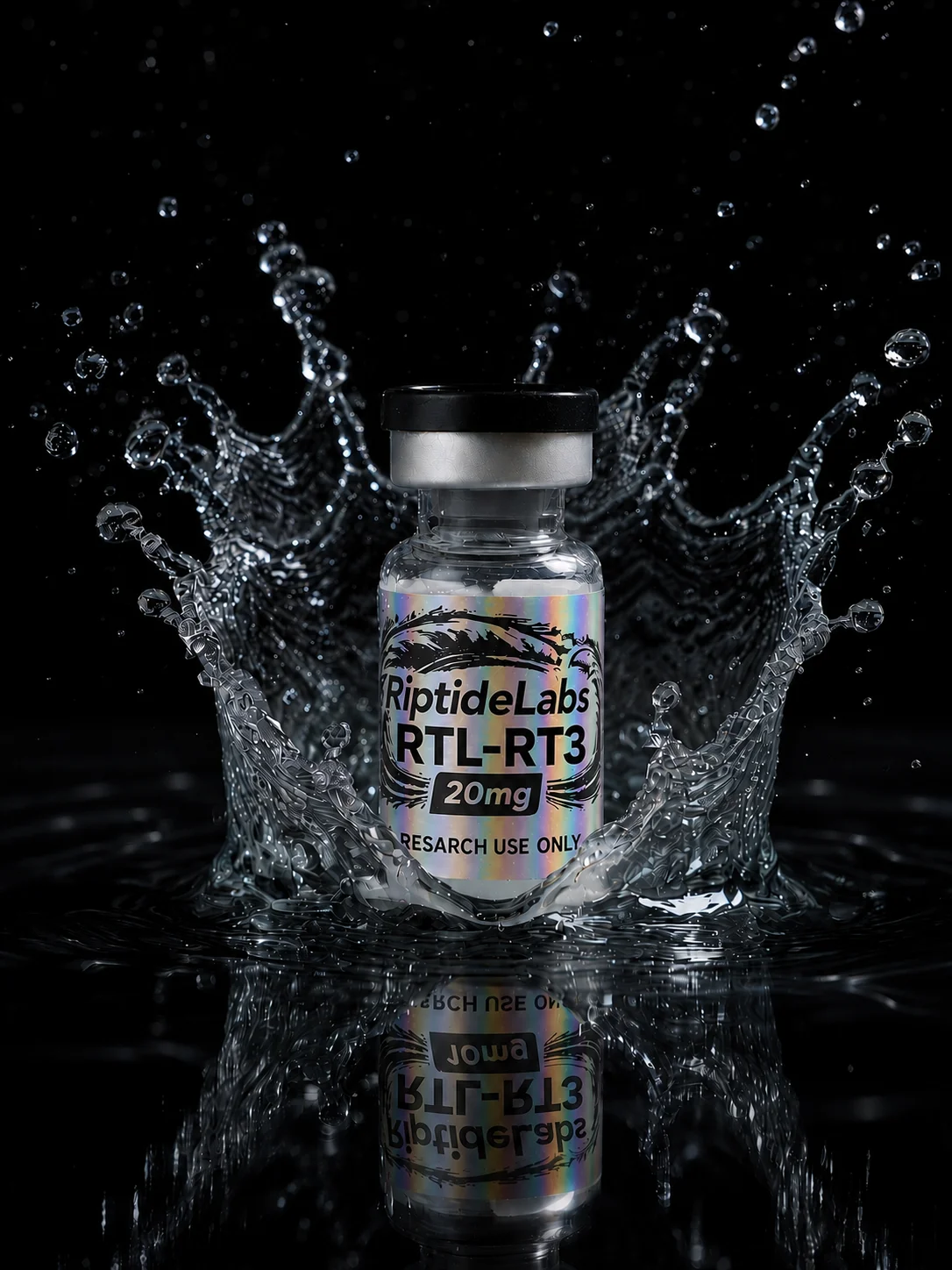

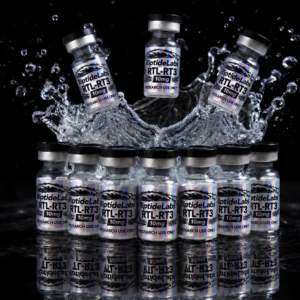
RTL-RT3 20mg
RTL-RT3 20mg represents a high-concentration presentation of this specialized recombinant T-cell receptor ligand. Scientists originally engineered this compound to study complex, deep-seated autoimmune responses within the central nervous system. When laboratory models face aggressive neural degradation or advanced inflammatory stress, standard low-dose treatments often fall short of maintaining stable testing environments. Consequently, this high-potency 20mg freeze-dried vial provides a robust chemical payload that allows for extended observation windows, elevated baseline testing, and deep-tissue tracking.
The doubled twenty-milligram capacity offers an exceptional volume advantage for advanced clinical laboratories and complex in vivo profiling. This larger size allows research teams to create highly concentrated liquid solutions without the need to pool multiple small vials together, heavily reducing the risk of ambient contamination. Because the underlying molecular chain is manufactured under strict regulations, it maintains excellent structural stability even at this increased density. As a result, this product stands as a critical requirement for intensive studies focusing on myelination recovery, neurovascular restoration, and targeted immune modulation.
Understanding the Target Kinetics on Nerve Pathways
To accurately evaluate the performance of this advanced compound, it helps to review the foundational definition of what is peptides and how they navigate cellular communication lines. Peptides are short links of amino acids that serve as targeted chemical messengers within living systems. They bypass the broad, sweeping impacts of large-scale immunosuppressants by binding to highly specific cellular receptors to fix broken biological signals. While common cosmetic or metabolic peptides focus on surface tissue layers or fat oxidation, this recombinant ligand navigates deep systemic channels to interact with specialized immune cells.
Specifically, the molecule attaches directly to the overactive pathogenic T-cells that drive autoimmune destruction inside neural tissues. Once introduced, the ligand blocks their destructive signaling cascades before they can damage surrounding nerve networks. Next, this powerful cellular block calms localized swelling, effectively protecting delicate myelin sheaths from autoimmune decay. By utilizing a high-potency 20mg vial, researchers can achieve complete receptor saturation in advanced tissue models, allowing them to track how steady signaling encourages long-term nerve tissue preservation.
Be the first to review “RTL-RT3 20mg”
Related products

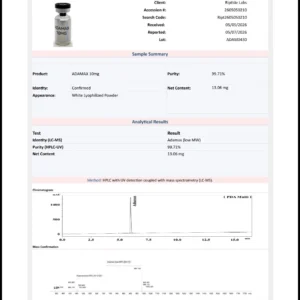
Uncategorized
Uncategorized
Uncategorized
Uncategorized

Uncategorized
Uncategorized

Uncategorized

Uncategorized
Reviews
There are no reviews yet.