
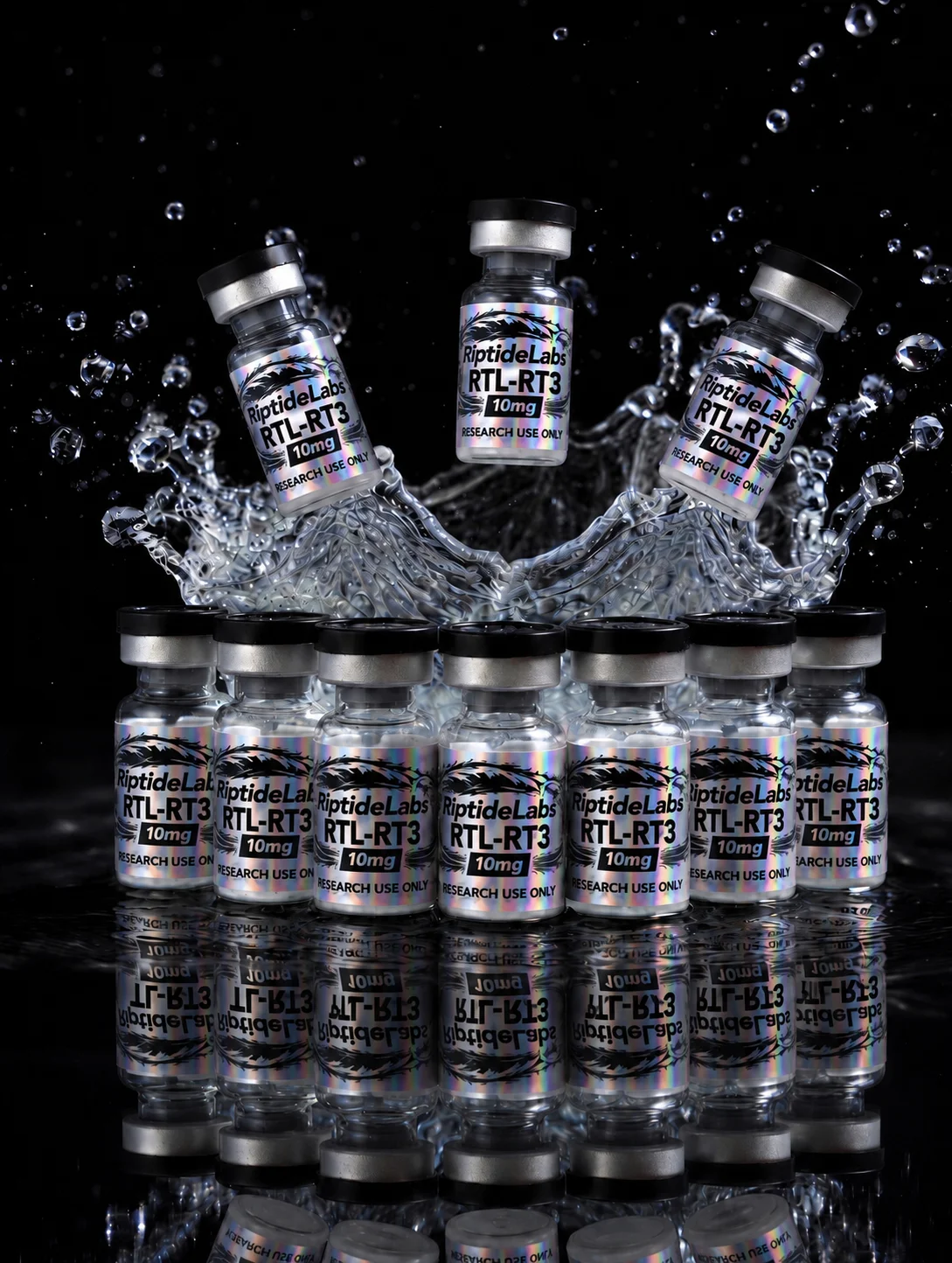

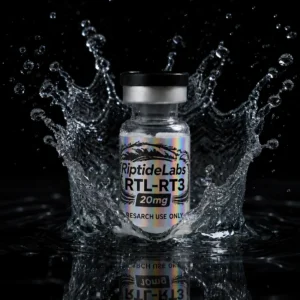
RTL-RT3 10mg Bulk Kit (10 Vials)
The RTL-RT3 10mg bulk kit provides a comprehensive, high-capacity supply consisting of ten individual ten-milligram vials of this specialized recombinant T-cell receptor ligand. In large-scale clinical research and multi-phase laboratory workflows, testing single vials frequently introduces unwanted batch-to-batch variations and shipping delays. This unified ten-vial framework gives research teams a massive, identical payload for long-term tracking. Consequently, scientists can evaluate extensive cellular signaling pathways, neuroprotective properties, and autoimmune responses across large animal models without interrupting their observation timelines.
Each 10mg vial within this bulk kit features an identical synthetic arrangement engineered for precise neuroimmunology studies. By securing a bulk volume, advanced testing facilities can establish reliable, standardized dilution protocols for consecutive in vitro and in vivo assays. The freeze-dried crystalline structure ensures that all ten vials remain completely stable during prolonged storage. Therefore, this comprehensive kit serves as a core requirement for busy laboratory systems tracking chronic central nervous system recovery and cellular adaptation.
Understanding the Target Kinetics on Nerve Pathways
To accurately map the data generated by this bulk kit, it helps to review the foundational definition of what is peptides and how their structures differ from larger, complex proteins. Peptides are short, targeted links of amino acids that act as precise chemical messengers throughout living systems. While standard growth peptides focus heavily on muscle cell division or fat burning, recombinant ligands are engineered to interface directly with specific immune cells. This targeted interaction allows them to modify inflammatory responses without triggering a dangerous, full-body immune reaction.
Specifically, this compound targets overactive pathogenic T-cells that drive autoimmune irritation within spinal and neural tissues. Once introduced into a laboratory model, the molecule binds securely to these specific cell receptors. This binding action blocks their destructive signaling cascades before they can damage surrounding nerve cells. Next, this cellular blockade calms localized inflammation, which helps protect delicate myelin sheaths from autoimmune decay. By maintaining a clean, steady supply from the ten-vial kit, researchers can closely track how continuous signaling encourages long-term nerve tissue protection.
Be the first to review “RTL-RT3 10mg KIT (10 VIALS)”
Related products
Uncategorized
Uncategorized
Uncategorized
Uncategorized
Uncategorized

Uncategorized
Uncategorized
Uncategorized
Reviews
There are no reviews yet.