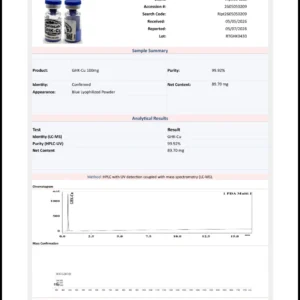
GHK-Cu 100mg
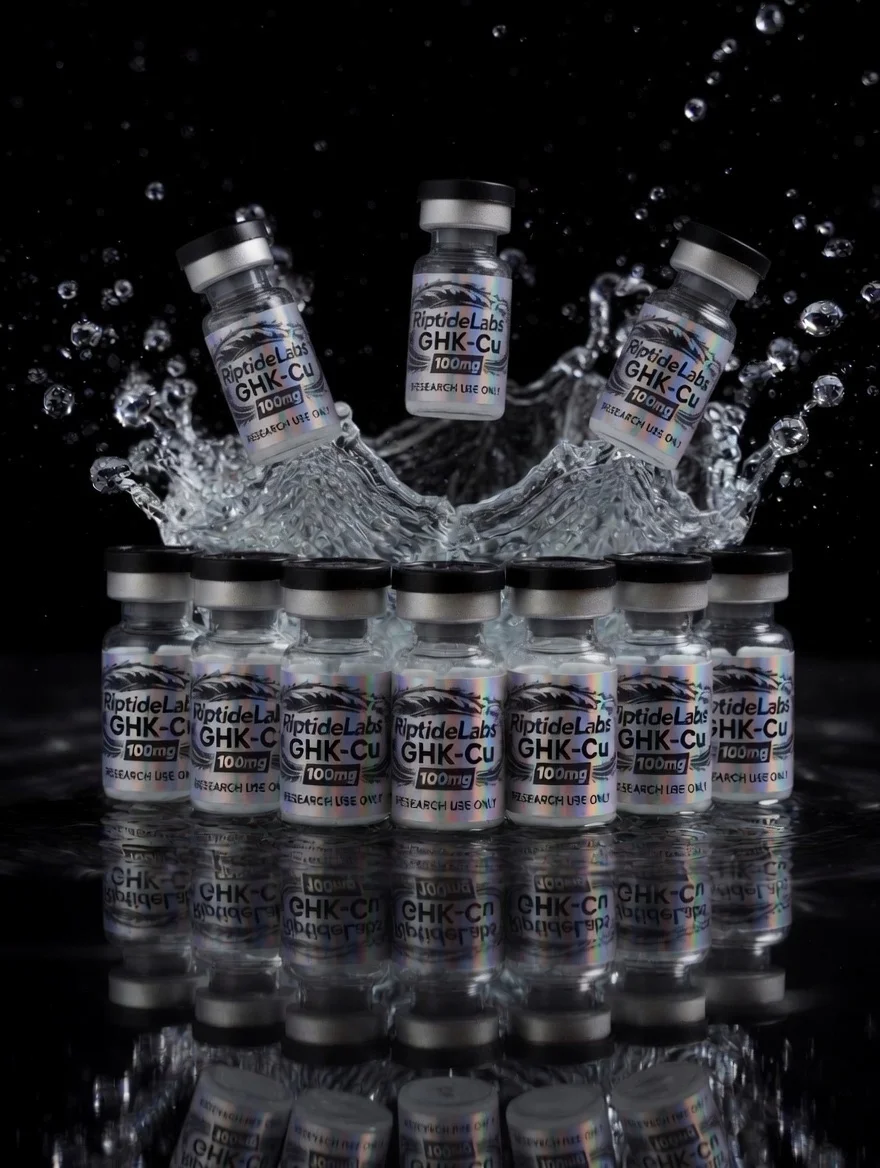
GHK-Cu 100mg is widely regarded as one of the most versatile and deeply researched compounds in the fields of dermatology, cosmetic biology, and regenerative medicine. This substance is a naturally occurring copper complex, combining a specific tripeptide sequence consisting of glycyl-L-histidyl-L-lysine with a copper atom. Human plasma naturally contains this unique copper-binding peptide, where it acts as a critical signaling molecule during tissue remodeling and wound healing cascades. By packing this highly sought-after molecule into a high-potency 100mg configuration, biochemical researchers can conduct extensive long-term tracking of its profound anti-aging, antioxidant, and tissue-regenerative properties.
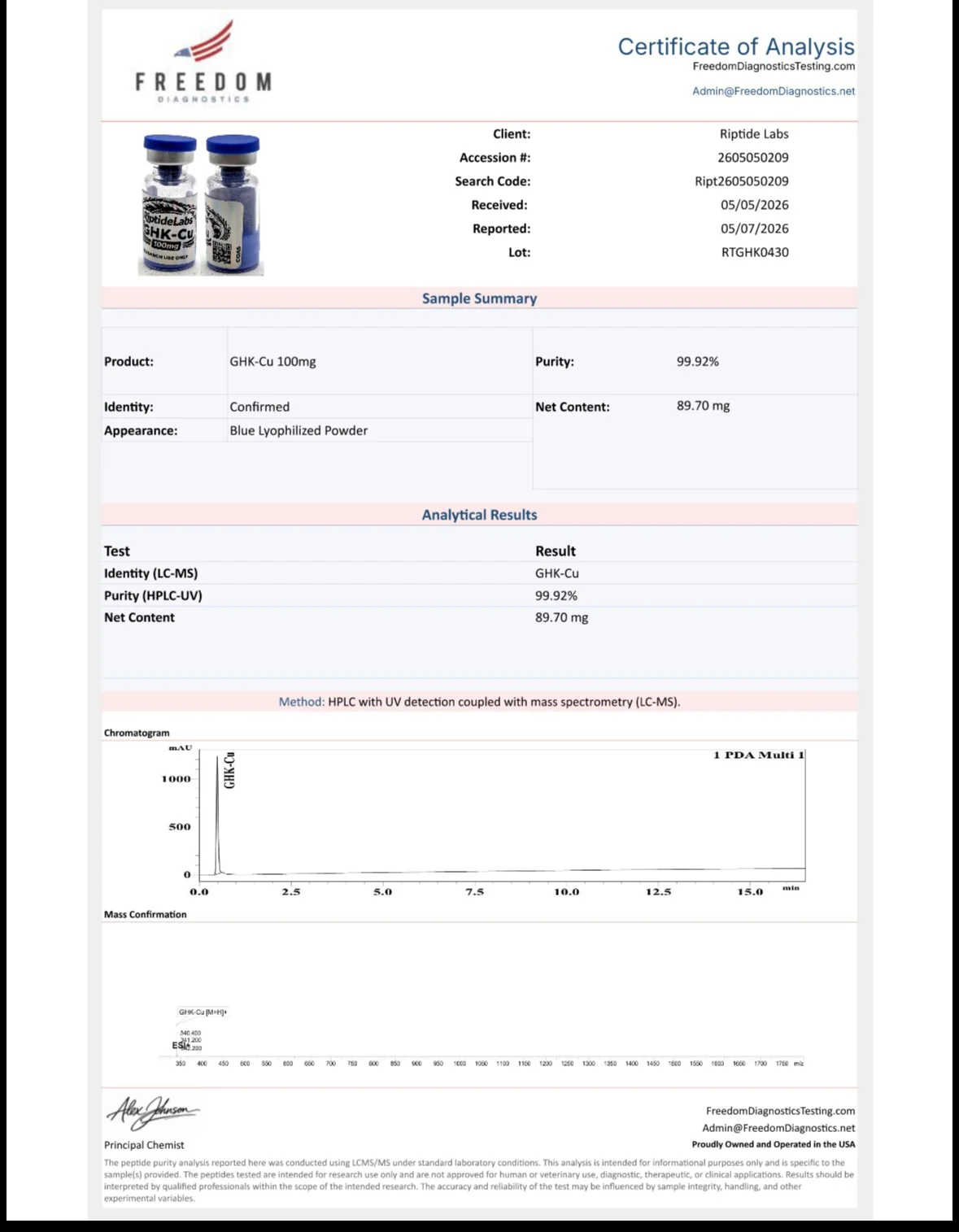
The substantial 100mg presentation provides a highly cost-effective and practical solution for busy laboratory environments and clinical testing facilities. Because GHK-Cu is frequently studied across a broad spectrum of topical, cosmetic, and systemic delivery methods, having a larger raw material volume ensures consistent batch preparation without frequent re-ordering. This formulation is instantly recognizable by its deep, brilliant blue color, which serves as a natural visual confirmation of the copper complex binding process. As a result, this product stands as a foundational requirement for any research program focusing on skin health, collagen synthesis, and cellular longevity.
Reconstitution Instructions and Laboratory Handling Protocols
Preserving the structural integrity of your GHK-Cu 100mg vials requires strict compliance with proper temperature regulations and gentle mixing methods. Prior to reconstitution, keep the lyophilized, vacuum-sealed blue powder stored inside a standard laboratory refrigerator at a steady temperature between two and eight degrees Celsius. Protecting the dry compound from heat, humidity, and direct light exposure ensures that the peptide bonds remain perfectly stable for many months.
When you are ready to prepare the liquid solution for your research trials, introduce a proper solvent, such as sterile bacteriostatic water, with careful precision. Slide the needle down the inner glass wall of the vial, letting the liquid glide gently into the powder instead of spraying it directly. Avoid shaking or vibrating the vial aggressively, as rough handling can alter the delicate copper-peptide bonds. Instead, smoothly roll the vial between your hands until the blue powder completely dissolves into a perfectly clear, vibrant blue liquid. Once mixed, store the fluid solution in the refrigerator and use it within a structured research window to maintain peak analytical accuracy.
Be the first to review “GHK-Cu 100mg Kit (10 vials)”
Related products
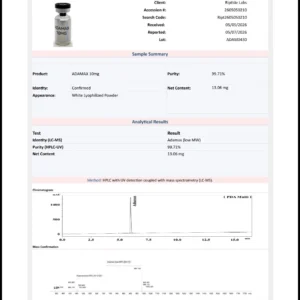
Uncategorized
Uncategorized
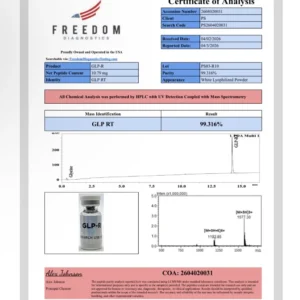
Uncategorized
Uncategorized
Uncategorized
Uncategorized
Uncategorized
Uncategorized
Reviews
There are no reviews yet.