Introduction to GHK-Cu 100mg
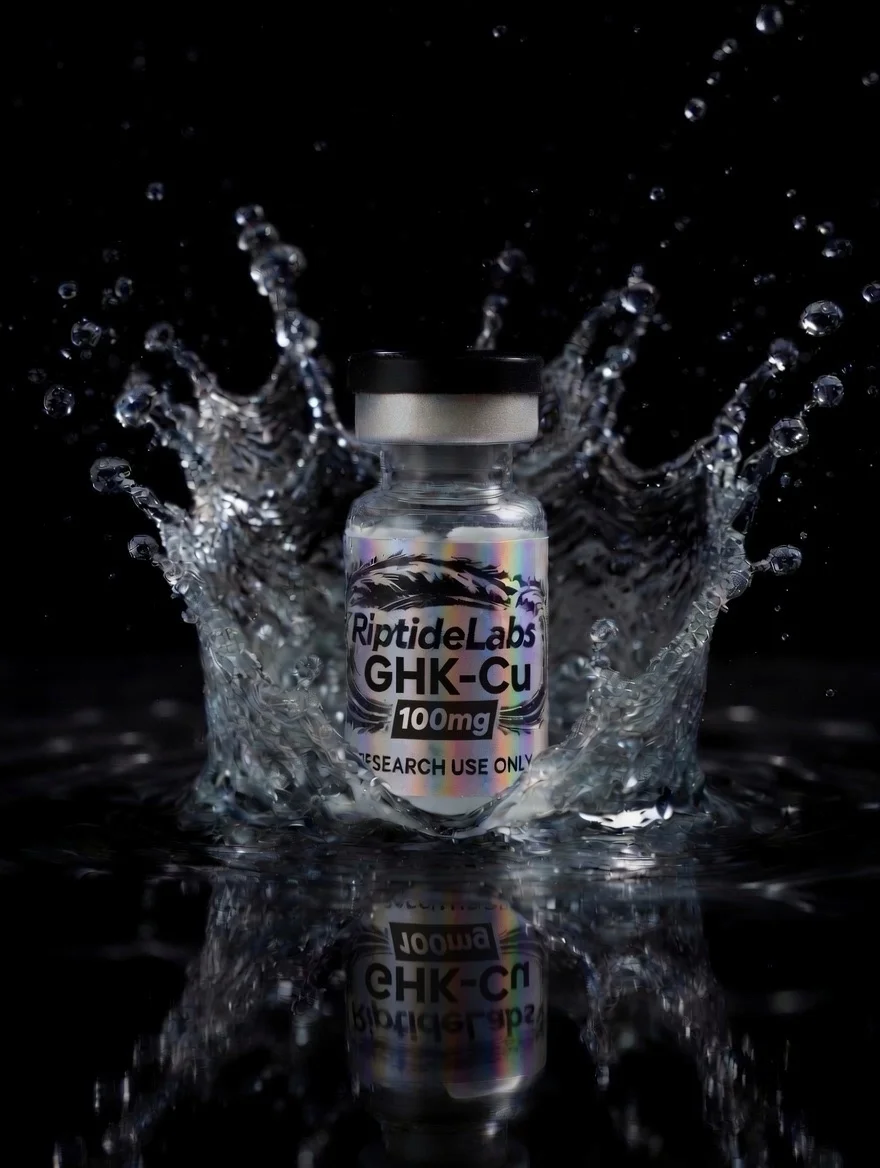
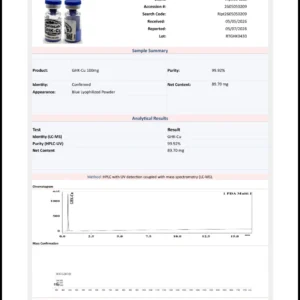
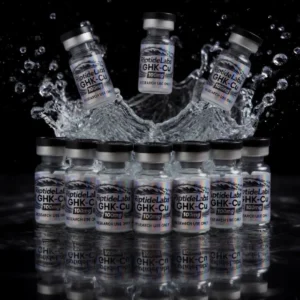
GHK-Cu 100mg is widely regarded as one of the most versatile and deeply researched compounds in the fields of dermatology, cosmetic biology, and regenerative medicine. This substance is a naturally occurring copper complex, combining a specific tripeptide sequence consisting of glycyl-L-histidyl-L-lysine with a copper atom. Human plasma naturally contains this unique copper-binding peptide, where it acts as a critical signaling molecule during tissue remodeling and wound healing cascades. By packing this highly sought-after molecule into a high-potency 100mg configuration, biochemical researchers can conduct extensive long-term tracking of its profound anti-aging, antioxidant, and tissue-regenerative properties.
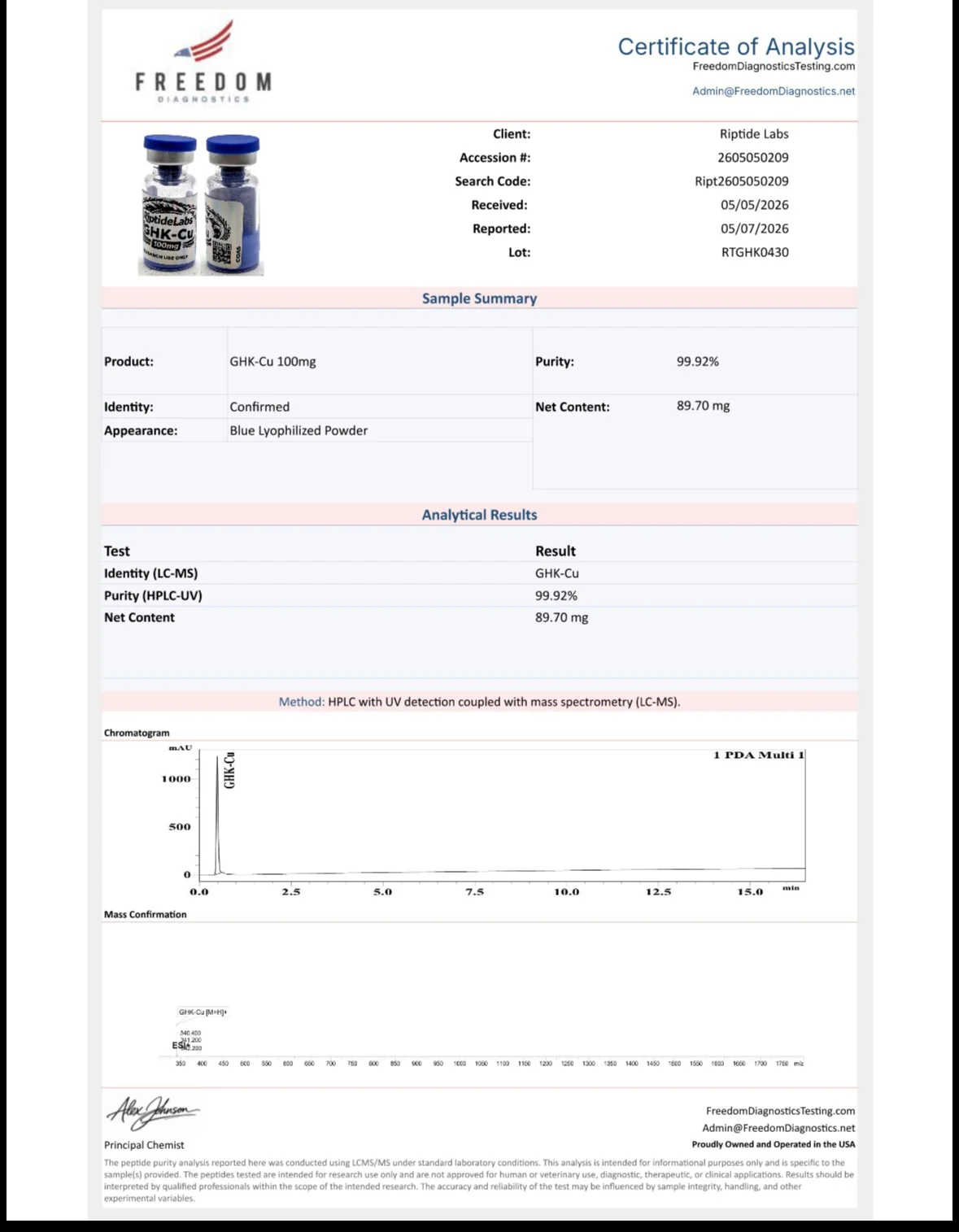
The substantial 100mg presentation provides a highly cost-effective and practical solution for busy laboratory environments and clinical testing facilities. Because GHK-Cu is frequently studied across a broad spectrum of topical, cosmetic, and systemic delivery methods, having a larger raw material volume ensures consistent batch preparation without frequent re-ordering. This formulation is instantly recognizable by its deep, brilliant blue color, which serves as a natural visual confirmation of the copper complex binding process. As a result, this product stands as a foundational requirement for any research program focusing on skin health, collagen synthesis, and cellular longevity.
Understanding the Structural Role of Copper Peptides
To evaluate how this compound delivers such broad biological effects, it helps to revisit the foundational answer to what is peptides. Peptides are short links of amino acids that serve as targeted chemical messengers within living organisms. They bind to specific cellular receptors to instruct the body to perform precise physiological functions, such as building structural proteins or clearing out damaged tissue. Copper peptides are a unique subset of these molecules because they actively carry vital trace minerals directly into cellular environments where they are needed most.
Copper is an indispensable cofactor for numerous essential enzymes within the human body, including lysyl oxidase, which handles the cross-linking of collagen and elastin fibers. Without a steady supply of this mineral, the structural matrix of the skin quickly loses its elasticity and resilience. GHK-Cu solves this biological transport problem by acting as a highly efficient carrier molecule. It binds securely to copper ions and transports them directly across cell membranes. Furthermore, this dynamic complex alters gene expression, shifting cellular priorities away from inflammatory responses and redirecting energy toward tissue repair, antioxidant defense, and structural matrix production.
Research Applications in Skin Rejuvenation and Anti-Aging
In modern cosmetic development and wellness tracking networks, this compound consistently ranks among the best peptides for reversing visible signs of aging and environmental skin damage. Traditional skincare ingredients often rely on harsh chemical exfoliation or surface-level hydration, which provide temporary visual improvements without addressing the underlying health of the skin tissue. This copper complex fixes that limitation by working deeply within the dermal layers to stimulate the natural production of collagen, elastin, and glycosaminoglycans.
Laboratory observations show that treating skin cells with this peptide significantly increases the density and thickness of the extracellular matrix. This activity helps smooth out fine lines, firms up sagging tissue, and reinforces the protective skin barrier. Consequently, researchers frequently utilize the 100mg vial to formulate advanced topical solutions, testing their ability to improve skin clarity, reduce hyperpigmentation, and accelerate healing after cosmetic procedures like laser resurfacing or chemical peels.
Tissue Remodeling and Hair Follicle Stimulation
Beyond standard skin rejuvenation, this copper peptide displays a unique ability to manage complex tissue remodeling and wound healing throughout the body. When tissues experience trauma, the body often produces dense, disorganized scar tissue that limits flexibility and blood flow. GHK-Cu helps regulate this healing phase by encouraging the breakdown of large, rigid collagen aggregates while simultaneously promoting the generation of smooth, normal tissue architecture. This unique balancing act makes it an incredibly valuable asset for studies tracking scar reduction and accelerated wound care.
Additionally, researchers heavily document the compound’s remarkable impact on hair follicle health and regeneration. The growth and survival of hair follicles depend heavily on robust localized microcirculation and a supportive cellular matrix. Early clinical data indicates that this peptide enlarges hair follicles, extends the active growth phase of the hair cycle, and blocks the production of dihydrotestosterone, a hormone heavily linked to pattern baldness. By improving blood flow to the scalp and strengthening the follicle base, the compound serves as a primary subject for advanced hair restoration research.
Reviews
There are no reviews yet.